

Restaurant Audio: Why Speaker Placement and DSP Make or Break the Room
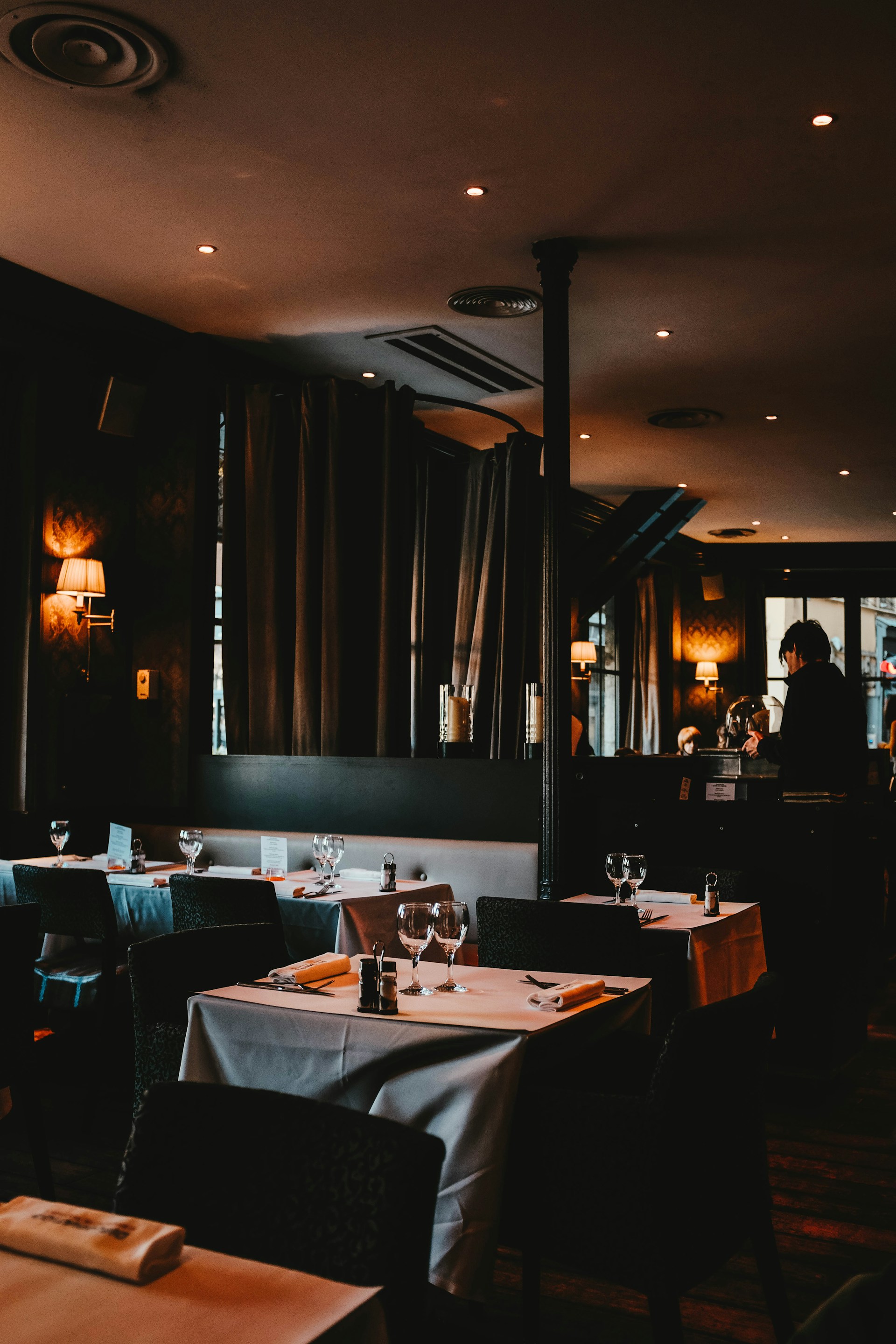
The most common mistake in restaurant audio is too few speakers running too loud. A handful of speakers cranked to cover a room creates hot spots near the hardware and dead zones everywhere else, forcing the volume up until conversation becomes a competition. The fix is more speakers at lower output, placed for even coverage so every table hears the same comfortable level.
Zoning is the next layer. The bar, dining room, patio and washrooms each have different acoustics and different needs, so each should be its own zone with independent volume and, often, independent programming. Your floor manager should be able to nudge the patio up for a busy evening without changing the dining room.
Digital Signal Processing (DSP) is what ties it together. A processor from a platform like Biamp lets us tune each zone to the room, taming harsh frequencies, compensating for hard surfaces and setting day-part presets so the system behaves correctly from quiet lunch service to a full Friday night. Built on commercial-grade hardware, the result is sound that supports the experience and survives daily, hard use.