

Motorized Shades: Plan Pockets, Power and Fabric Before You Build
Start with the pocket. When shades are designed into the architecture, the entire assembly recesses into the ceiling or a built-in pocket and disappears when raised, with no visible brackets and no hardware interrupting a clean window line. That detail has to be coordinated with your architect and millworker before ceilings are closed.
Then power. Hardwired shades never need a battery swap and operate silently and reliably for years, but they require power at the window head during the pre-wire. Battery shades have their place for retrofits, but for new construction, planning power is almost always the better long-term choice.
Finally, fabric, chosen by what each room needs:
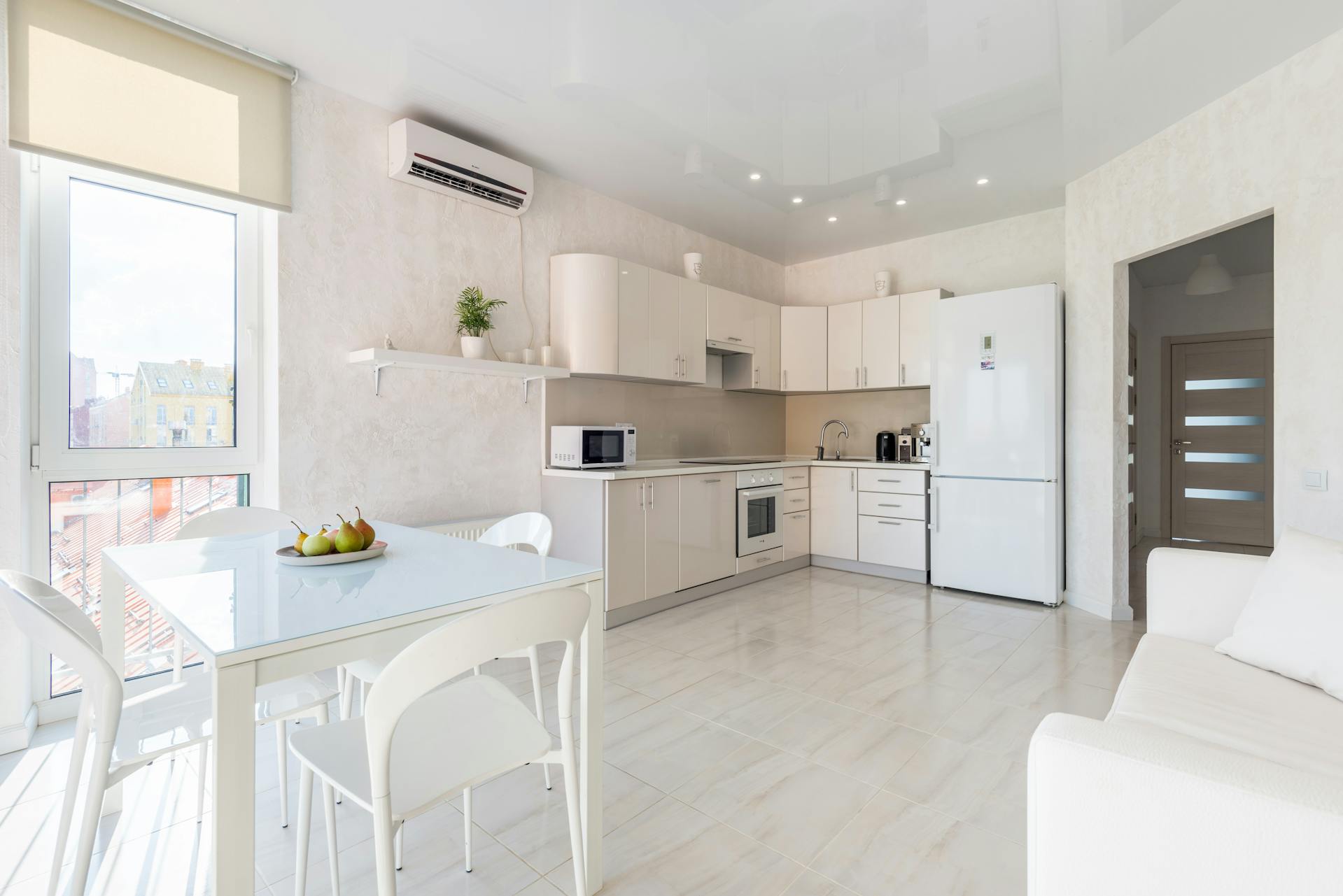
- Living spaces: Sheer and screen fabrics cut glare and block UV while preserving the view.
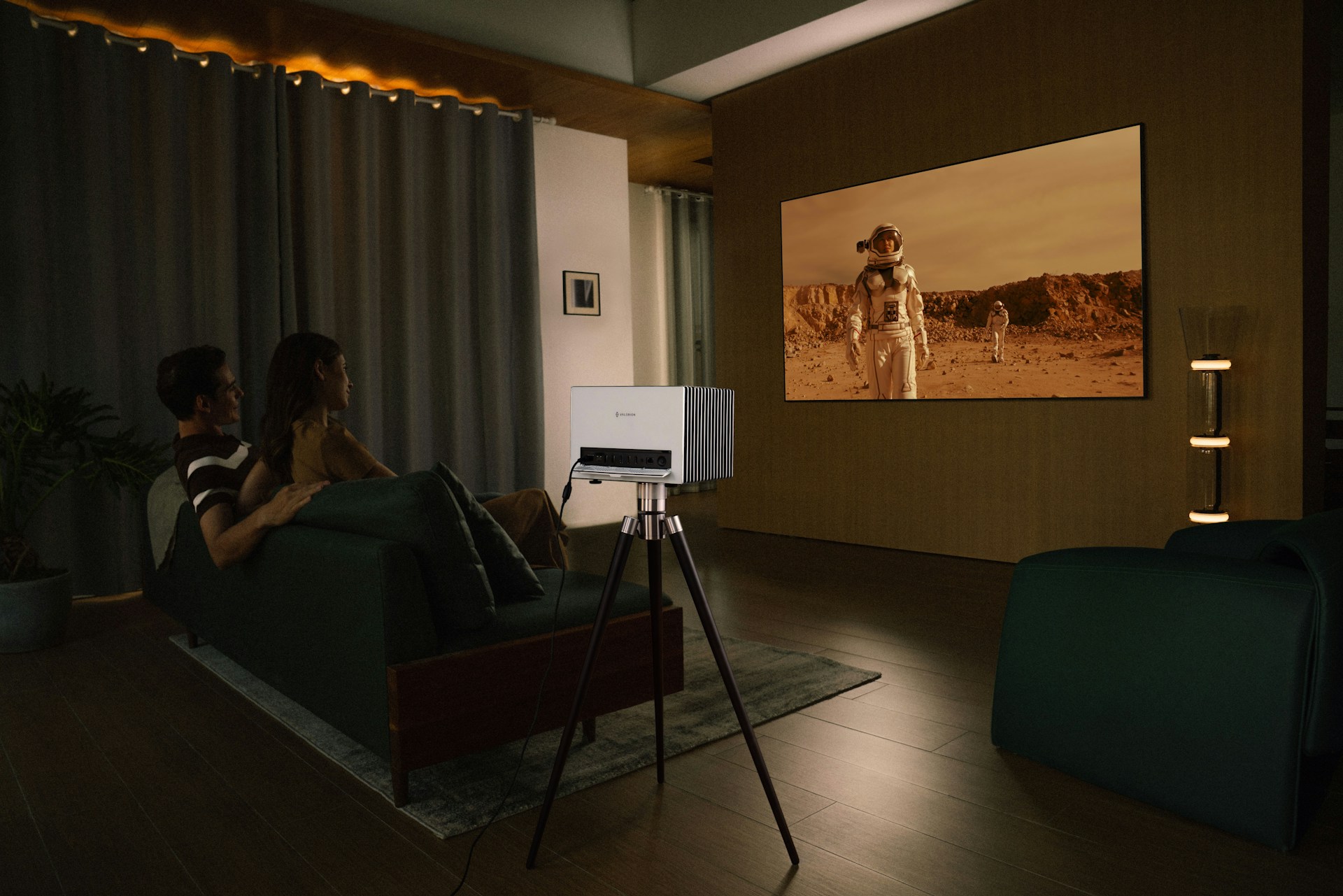
- Bedrooms and media rooms: Blackout fabrics for true darkness and better sleep or contrast.
- Whole-home consistency: Coordinated colours and openness factors so the home reads as one design.
Integrated with lighting, climate and your control system, shades then move on schedule or scene, but only if the pockets, power and fabric were settled early.